
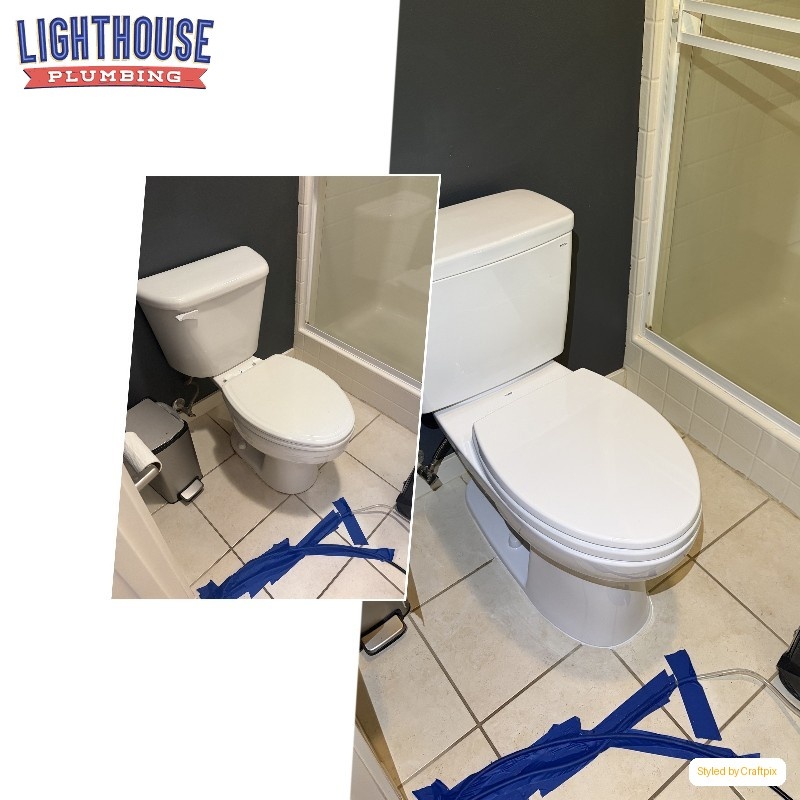
When Chris from Issaquah noticed a toilet leak, they didn't want to wait around wondering when help would arrive. They called Lighthouse Plumbing, got scheduled quickly, and Bradyn showed up right on time to fix the problem. Here's what Chris had to say:
"We had a great experience getting our toilet leak fixed by Bradyn! It was easy to get scheduled quickly with Lighthouse and everything happened exactly as described on time. Thanks y'all"
What We Love About This Review
Chris's review highlights three things that matter most to homeowners dealing with a plumbing problem:
- Easy scheduling – When you have a leak, you want to talk to a real person and get on the calendar fast
- Clear expectations – You want to know exactly what's going to happen and when
- On-time arrival – If we say we'll be there, we'll be there
These aren't complicated things, but they make all the difference when you're dealing with a stressful situation at home.
Understanding Toilet Leaks: What Homeowners Should Know
Toilet leaks are one of the most common plumbing issues we see, and they're also one of the most important to address quickly. Here's a breakdown of the different types of toilet leaks and what causes them:
Leaks at the Base of the Toilet
If you notice water pooling around the bottom of your toilet, this usually indicates a failing wax ring—the seal between your toilet and the drain flange in the floor. This happens because:
- Age and wear – Wax rings typically last 20-30 years but can fail sooner
- Toilet movement – If the toilet rocks or shifts, it can break the seal
- Improper installation – If the toilet wasn't set correctly, the seal may never have been complete
Why it matters: A base leak can damage your subfloor, create mold issues, and even compromise the structural integrity of your bathroom floor over time. This is one leak you don't want to ignore.
Leaks from the Tank
Water dripping from the tank area can come from several sources:
- Tank-to-bowl gasket failure – The rubber gasket between the tank and bowl can deteriorate
- Loose tank bolts – The bolts that connect the tank to the bowl can loosen over time
- Cracked tank – Less common, but a hairline crack can cause slow, persistent leaks
- Condensation – In humid conditions, what looks like a leak may actually be condensation (though this is more common in summer)
Internal Leaks (Running Toilet)
You might not see water on the floor, but a running toilet is still a leak—it's just leaking into the bowl and down the drain. This is usually caused by:
- Worn flapper – The rubber flapper at the bottom of the tank deteriorates and doesn't seal properly
- Faulty fill valve – The valve that refills the tank after flushing can malfunction
- Float issues – An improperly adjusted float can cause the tank to overfill
The hidden cost: A running toilet can waste 200+ gallons of water per day, adding significant cost to your water bill. If you hear your toilet "phantom flushing" or running intermittently, it's worth getting checked.
Supply Line Leaks
The braided supply line that connects your toilet to the water supply can develop leaks at the connections or, in older homes, the line itself can fail. We recommend replacing supply lines every 10 years as a preventive measure.
When to Call a Plumber vs. DIY
Some toilet issues are straightforward DIY fixes, while others really need a professional:
You Can Probably Handle:
- Replacing a flapper (under $10 at any hardware store)
- Adjusting the float level
- Tightening loose tank bolts (be careful not to overtighten and crack the porcelain)
Call a Plumber When:
- Water is leaking at the base (wax ring replacement requires removing the toilet)
- You see cracks in the porcelain
- DIY fixes haven't solved a running toilet
- You're not comfortable working with plumbing
- The leak is causing water damage
Why Fast Scheduling Matters for Toilet Leaks
Chris mentioned how easy it was to get scheduled quickly—and that's intentional on our part. Toilet leaks aren't emergencies like a burst pipe, but they're not something you want to put off either. The longer a leak goes unfixed:
- Water damage spreads to flooring and subfloor
- Mold can begin growing in as little as 24-48 hours
- Your water bill keeps climbing (for running toilets)
- A small problem can become a bigger, more expensive repair
That's why we prioritize getting customers on the schedule fast and showing up when we say we will.
Need Toilet Repair in Issaquah?
Whether you're dealing with a leak at the base, a running toilet, or any other toilet issue, Lighthouse Plumbing is here to help. We serve Issaquah, Sammamish, and surrounding Eastside communities with fast, reliable service.