
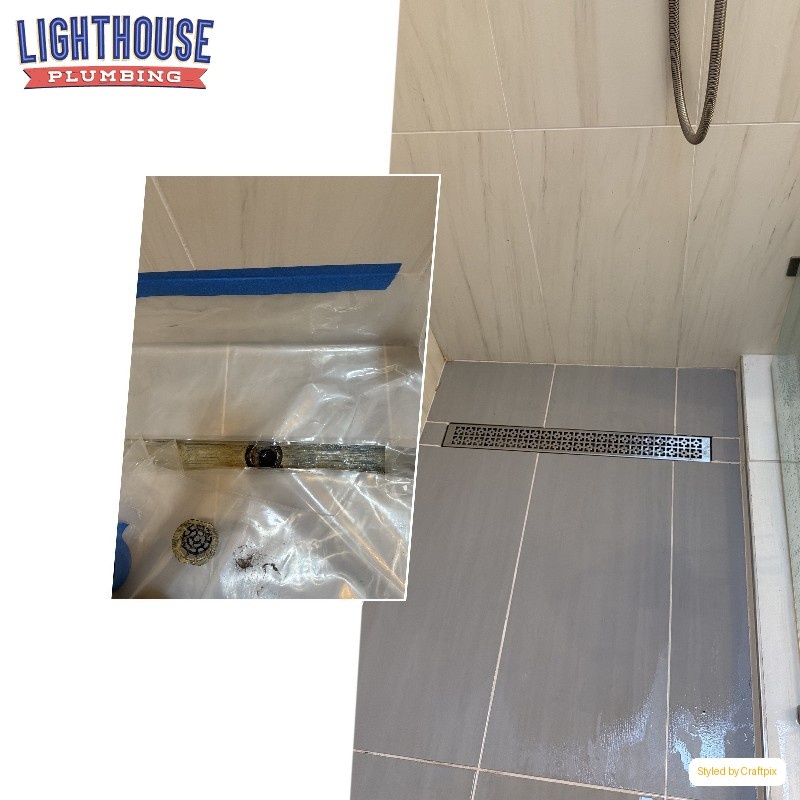
Dealing with a stubborn drain clog is super-frustrating. Clogs usually come from accumulated hair, grease, soap scum, food particles, or even mineral buildup in your pipes, and the key challenge is resolving the problem without using harsh chemical cleaners that can harm your pipes. Your Fall City, WA drain cleaning experts can give you the surest route to a clean drain, but here are a few things you can try to safely shake a clog loose.
From Your Fall City, WA Drain Cleaning Experts: Clear a Clog and Protect Your Pipes
Identify the Culprit
Recognizing the cause of your clog helps you select the right method for clearing it. For instance, greasy clogs (which are most common in kitchen sinks) respond well to heat-based solutions. Fibrous ones need mechanical removal.
Get on It Quick
Ignoring clogs is never a good idea. It can lead to overflows, bad odors, or even pipe bursts. Prevention is your best defense. Install drain screens to catch debris, avoid pouring grease down sinks, and run hot water after you use your sink to flush out residue. Regular maintenance, like professional cleanings once a year or so, can prevent buildup altogether.
Boiling Water
One of the simplest and safest starting points is just to use boiling water to loosen clogs. This method works best for minor or fresh blockages, particularly those caused by grease or soap scum. The heat melts the fats without having any abrasive effect on the pipes. To do this, boil a quart of water and slowly pour it down the drain in stages, allowing each pour to work its way through before adding more.
Be cautious with PVC pipes, though, as these can warp under extreme heat. If that's what you've got, try very hot tap water instead of boiling to avoid damage. Repeat the process two to three times if needed.
Baking Soda and Vinegar
Another popular natural remedy involves baking soda and vinegar, which together create a fizzy chemical reaction that can dislodge clogs without pipe damage. Baking soda is abrasive yet gentle, and vinegar's acidity helps dissolve organic matter. Start by pouring half a cup of baking soda into the drain, packing it down if possible. Then add an equal amount of white vinegar, which will cause bubbling as carbon dioxide forms.
Try Plunging or Pulling the Clog Out
A cup plunger works best for sinks, while a flange type suits toilets or tubs. Fill the basin with enough water to cover the plunger's cup, then place it over the drain and pump vigorously 15-20 times. The suction and pressure will usually dislodge clogs, and without scratching pipes.
For deeper or more fibrous clogs, a drain snake or improvised wire hanger might allow you to get to it. Unbend a metal hanger into a hook shape and gently insert it to fish out hair or debris. Twist and pull slowly to avoid scratching the pipes.
Got a stubborn clog or any other issue? Call us today at Lighthouse Plumbing in Fall City, WA for help.