
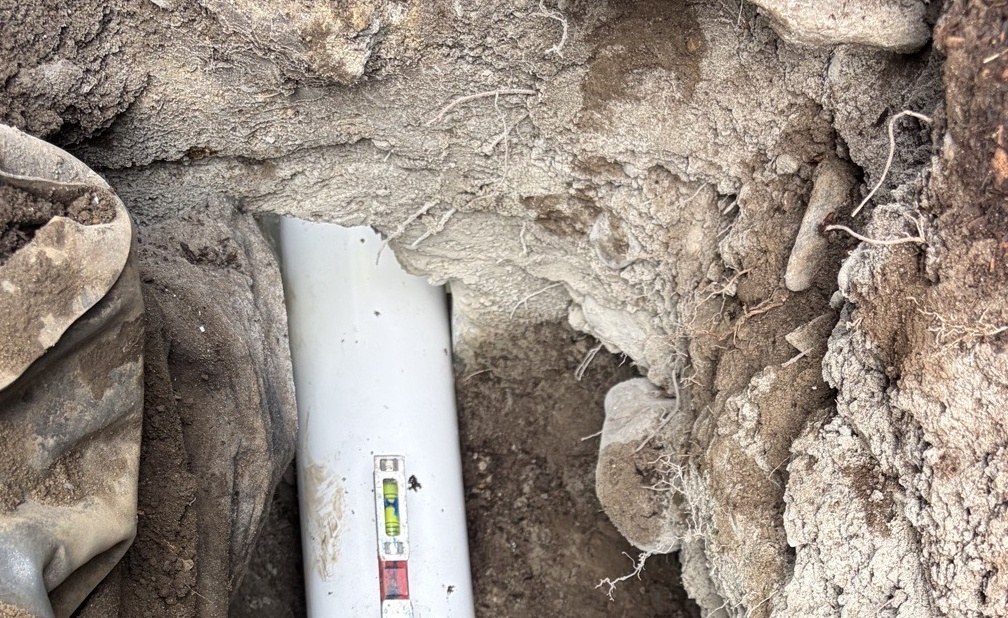
A septic system is protected mostly by what goes down the drains and by how fast. Flush only waste and toilet paper, keep grease and the garbage disposal to a minimum, spread the laundry over the week, skip the additives, keep water and weight off the drainfield, and have the system inspected instead of pumping it by the calendar.
Houses in Fall City and most of the countryside around Carnation and Duvall run on their own septic systems, so these habits decide how often we get called out. The list below comes from King County's septic guidance and from the valley septic jobs behind it.
1. Flush only waste and toilet paper
King County's advice is short: flush only bodily waste and toilet paper, and treat products labeled "flushable" as possibly unsuitable for a septic system, because a wipe that clears the toilet doesn't break down like paper. When a Fall City system backed up at the end of August, with a toilet that wouldn't clear and debris coming up in the showers, the tank was full and the drain lines inside the house were packed with paper and debris that Bradyn had to jet out after the tank was pumped.
2. Keep grease out of the kitchen drain, and go easy on the disposal
Grease cools and coats the pipe on its way out, then floats in the tank. At one Fall City house in July, grease from the kitchen had built up in the line all the way to its grey water tank, and a garage floor drain on the same line was backing up before Bradyn jetted it. The EPA's septic guidance says to eliminate or limit the garbage disposal, which cuts the fats, grease and solids entering the tank, and that a house that uses one will need its tank pumped more often. Wipe greasy pans before washing them, and put food scraps in the compost.
3. Spread the laundry over the week
A septic tank works by holding water long enough for solids to settle. Five loads of laundry in one afternoon push water through faster than it can settle and send it on to the drainfield in a surge. King County suggests doing loads over several days rather than all in one, and running the dishwasher only when it is full. Fixing a running toilet or a dripping faucet belongs on the same list, because a constant trickle never stops filling the tank.
4. Skip the septic additives
King County says not to use septic tank additives, and to use only products with written approval from the Washington State Department of Health if you use one at all. The EPA notes that additives have no significant effect on the bacteria in a tank. The money is better spent on an inspection.
5. Keep chemicals, medicines and hot tub water out
The bacteria in the tank do the work, and King County warns that household chemicals, medications poured down the drain and long courses of antibiotics can kill them. It also says not to drain a hot tub into the septic system: that is hundreds of gallons in one go, and treated water besides.
6. Know your pump, and test its alarm
Some valley systems have a pump somewhere: an ejector lifting wastewater from a low house or basement, or a pump sending effluent out to the drainfield. A pump fails quietly until the basin fills. In May, PJ and Reid replaced a sewage ejector pump and its failed electrical box at a Fall City house, with a new section of drain pipe and the alarm float reinstalled, and in the Cottage Lake area east of Woodinville the same month, a dead ejector left a basin full nearly to the lid, which that job story tells. If yours has an alarm, test it, and when the power goes out, King County's guidance is to use as little water as you can and turn the septic pump's breaker off until the power is back.
7. Keep water and weight off the drainfield
The drainfield is the expensive part to replace, and too much water or too much weight is what hurts it. King County asks owners to direct surface drainage away from the system, keep decks, patios, sheds, driveways, parked cars and underground sprinkler lines off the tank, the drainfield and the reserve area, and leave grass or native plants on top rather than plastic, bark or gravel. Valley ground is wet: in October, Alexander put a check valve on the discharge line from a Fall City septic tank to its drainfield pump, so groundwater couldn't flow back into the tank in heavy rain and overfill it.
8. Have it inspected, then pump it when it needs it
King County's guidance is to have the tank inspected and pump it only when needed, which for most tanks is every three to five years depending on how much water the house uses. Inspections also catch what pumping can't: the same Fall City system from item 1 kept backing up after its tank was pumped because the last few feet of pipe before the tank had settled and lost their slope, and Bradyn dug it out and relaid it. How often your system must be inspected depends on its type; our Fall City sewer page explains the schedule.
Septic Questions
Is a garbage disposal OK on a septic system?
It works, but it costs you. The EPA's septic guidance says to eliminate or limit garbage disposal use, because ground food adds fats, grease and solids that build up in the tank and can clog the drainfield, and a house that uses one needs its tank pumped more often. Compost the scraps and you can keep the disposal for rinsing.
Are flushable wipes safe for a septic system?
Not reliably. King County says to flush only bodily waste and toilet paper and warns that products labeled flushable may not be suitable for a septic system. A wipe can clear the toilet and still snag in the line or sit in the tank without breaking down. Put them in the trash, along with paper towels and hygiene products.
Do septic tank additives help?
No. King County tells septic owners not to use additives, and to use only products with written Washington State Department of Health approval if they use one at all. The EPA says additives have no significant effect on the bacteria in a tank. Regular inspections and pumping when the tank needs it do more than any product.
Our Recommendation
Put the money where the failures are. Additives and enzyme treatments don't protect a tank; habits and inspections do. Do the free things first: waste and toilet paper only, grease in the trash, laundry spread over the week. Then book an inspection on the schedule your system's type calls for, and if your house relies on a pump, learn where its alarm is and what it sounds like. When a backup does happen, call someone who can tell whether it's the tank, the line or the house, because on a valley property it can be any of the three.
Keep the System Working
Call 425-549-2400 or schedule an appointment.
More: sewer line repair in Fall City · sewer line repair in Carnation · well and septic plumbing in the valley · drain cleaning in Fall City · winter plumbing questions for valley homes